Pottery remains one of the most versatile and enduring crafts in human history. Whether you are a beginner exploring your first clay project or an experienced maker refining your technique, understanding the “different types of pottery” helps you choose the right materials for functional ware, decorative pieces, or artistic sculptures. Potters classify pottery primarily by the clay body and the firing temperature it requires.
These categories—earthenware, stoneware, and porcelain—each deliver distinct properties in strength, porosity, color, and finish. Additional techniques like raku, majolica, and faience expand creative possibilities even further.
Earthenware
stands out as the most accessible and historically widespread type of pottery. It fires at lower temperatures, typically between 1,000°C and 1,150°C (cone 06 to 04). The resulting pieces stay somewhat porous, which makes them lightweight and excellent for plant pots, tiles, and traditional terracotta cookware. Many beginners start with earthenware because it handles easily on the wheel or through hand-building methods like coiling and pinching. A clear glaze or colorful underglaze often seals the surface and adds vibrancy. Ancient civilizations across the Mediterranean, Middle East, and Americas relied heavily on earthenware for its forgiving nature and warm, earthy tones.


Stoneware
offers greater durability and has become a favorite among studio potters for functional items. It matures at mid-to-high temperatures, usually 1,150°C to 1,300°C (cone 4 to 10). At these levels, the clay vitrifies partially or fully, creating a dense, non-porous body that holds liquids without additional glaze in many cases. Stoneware resists chipping and thermal shock, making it ideal for oven-safe bakeware, mugs, and plates. Fired pieces display subtle natural colors ranging from gray and brown to speckled tan. Modern makers appreciate its balance of workability and toughness, especially for everyday tableware that combines beauty with practical strength.
Porcelain
represents the most refined and elegant category. It requires the highest firing temperatures, often 1,200°C to 1,400°C (cone 6 to 14). Rich in kaolin, porcelain shrinks noticeably during firing yet emerges strong, white, and slightly translucent. It produces a clear ringing sound when tapped and resists staining effectively. Chinese artisans perfected true porcelain during the Tang and Song dynasties, and European manufacturers later developed formulas to meet luxury demand. Bone china, a popular variation, incorporates calcined animal bone for extra whiteness and chip resistance while maintaining translucency. Potters choose porcelain for delicate tableware, fine sculptures, and high-end decorative objects.

Specialized Pottery Styles and Techniques
Beyond the primary clay types, several distinctive styles add variety and character.
Raku pottery
brings a dramatic, unpredictable process rooted in Japanese tradition. Makers fire small pieces quickly at low temperatures, then remove them from the kiln while still hot and place them in combustible materials like sawdust or leaves. The sudden reduction creates unique crackle patterns, metallic lusters, and smoky effects. No two raku pieces turn out exactly alike, which appeals to artists who value spontaneity over perfect control.
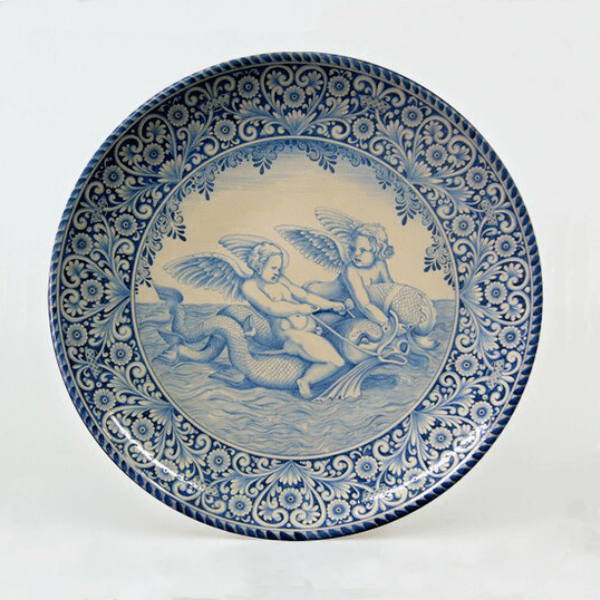
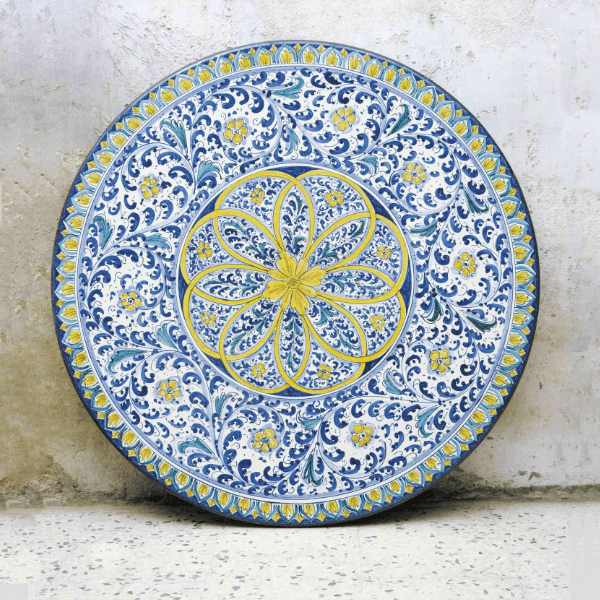
Majolica, faience, and delftware
brings a dramatic, unpredictable process rooted in Japanese tradition. Makers fire small pieces quickly at low temperatures, then remove them from the kiln while still hot and place them in combustible materials like sawdust or leaves. The sudden reduction creates unique crackle patterns, metallic lusters, and smoky effects. No two raku pieces turn out exactly alike, which appeals to artists who value spontaneity over perfect control.
Mid-range firing (around cone 5–6) has gained traction in recent years. It sits between traditional earthenware and high-fire stoneware, allowing brighter glaze colors with lower energy costs. Contemporary trends also favor organic shapes, textured surfaces, earthy neutral glazes, and sustainable practices that blend function with artistic expression.
How to Choose the Right Type of Pottery Clay
Your project goals should guide the decision. Earthenware works well for decorative items and low-fire experimentation. Stoneware suits durable functional pottery that sees daily use. Porcelain excels when you need elegance and translucency. Beginners often start with earthenware or stoneware because they tolerate minor mistakes better than delicate porcelain. Always match your clay, glazes, and kiln capabilities to avoid cracking or warping during firing.
Why Understanding Pottery Types Matters
Knowing the differences between earthenware, stoneware, and porcelain helps you achieve consistent results and expand your creative range. Whether you throw on the wheel, hand-build, or explore sculptural forms, the right clay body and firing temperature determine the final look, feel, and performance of your work. From ancient terracotta vessels to modern minimalist ceramics, these categories continue to shape how makers express ideas through clay.