Trends come and go, and people’s perspectives change with the changing trends, even without realizing it. Remember the bell bottoms of the 70s disappeared with time. Later, people were often seen wondering how on earth anyone could like those things. Bell bottoms reappeared in the 2000s in a new avatar; people adored them again for a few years and again ditched them. Now, in 2026, something like a reminder of bell bottoms is again in the trend, and they don’t look bad. But then comes minimalism—an idea that never goes out of fashion.
Looking Back At Minimalism
When minimalism started post-World War 2, it was an art movement, but its roots were always there. There are always many who embrace it as a lifestyle choice long before it becomes cool. In the arts it was a reaction against abstract expressionism’s chaos. It was also a rebellion against the idea of materialism and greed, which was responsible for the horrors of war.
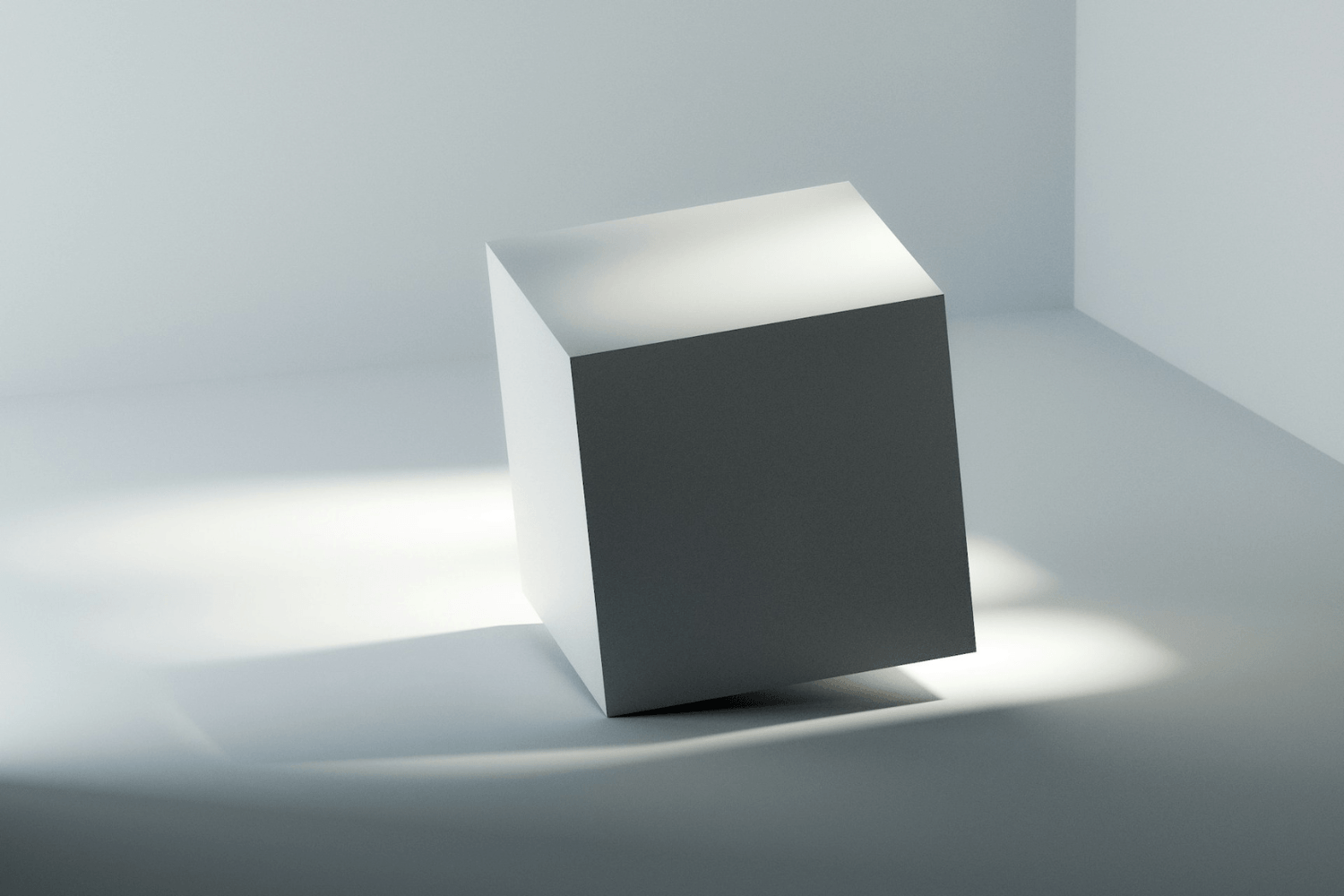
But its success lies in its idea of simplicity. It started with stripping the nonessential to highlight what counts. Artists crafted stark sculptures and paintings like Donald Judd’s metal boxes or Dan Flavin’s fluorescent lights. These artworks captured the imagination of people and forced them to have a direct engagement. Everything was in your face, and there was no distraction for the viewers as they confronted the object head-on, in its raw form.

Trends come and go, and people’s perspectives change with the changing trends, even without realizing it. Remember the bell bottoms of the 70s disappeared with time. Later, people were often seen wondering how on earth anyone could like those things. Bell bottoms reappeared in the 2000s in a new avatar; people adored them again for a few years and again ditched them. Now, in 2026, something like a reminder of bell bottoms is again in the trend, and they don’t look bad. But then comes minimalism—an idea that never goes out of fashion.

The Roots Goes Deep
As a lifestyle, minimalism digs deeper. Imagine your life like a backpack stuffed too full—it weighs you down. That’s where minimalism as a way of life steps in. It helps you grab back your time and attention. Joshua Fields Millburn and Ryan Nicodemus—you might know them from “The Minimalists”—say it straight: own less, live more. You clean out your closet of old clothes you never wear. You wipe your schedule free of stuff you do for the sake of it. Heck, you even rethink friendships that drag you down. Why? To feel light and free, without all the junk holding you back.
Science backs this up a bit—folks who try it often feel less worried and make smarter picks. Religion also encourages us to give up worldly possessions to achieve peace. Islam says it’s “shukr and sabr”; Hinduism says it “santosh.”
In The Lifestyle
But hey, it works different for everyone. And no, it’s not about scraping by or living in a bare room. You pick what matters. Hold onto that cool old watch that makes you smile. Toss the box of broken toys or gadgets gathering dust. It’s all about choosing on purpose.
On a deeper level, minimalism whispers ideas from ancient thinkers like Zen monks or Stoic philosophers. They say pause and think inside yourself, not chase shiny new buys. Marie Kondo, the queen of cleaning, gets this too. She asks, “Does this thing make your heart happy?” Or fit who you really are? Some people grumble it’s just for rich folks with easy lives. But fans push back: start tiny. Sort one drawer today. Buy just one thing you truly need next time. The big secret? Cut the clutter, and everything else shines brighter.

Minimalism bends to fit wherever you need it. In paintings or music, it shakes you awake. In your room or routine, it keeps things steady. Give it a whirl. Your space—and your brain—will thank you with a big, easy breath.