Ceramic production represents one of humanity’s most significant technological achievements, fundamentally transforming how civilizations stored food, prepared meals, and created artistic expressions. The development of ceramic technology occurred independently across multiple continents, demonstrating how human communities solved similar problems through experimentation and innovation. The history of ceramic illuminates broader patterns of cultural development, trade networks, and technological advancement that shaped human civilization.
History of Ceramic - The Begining
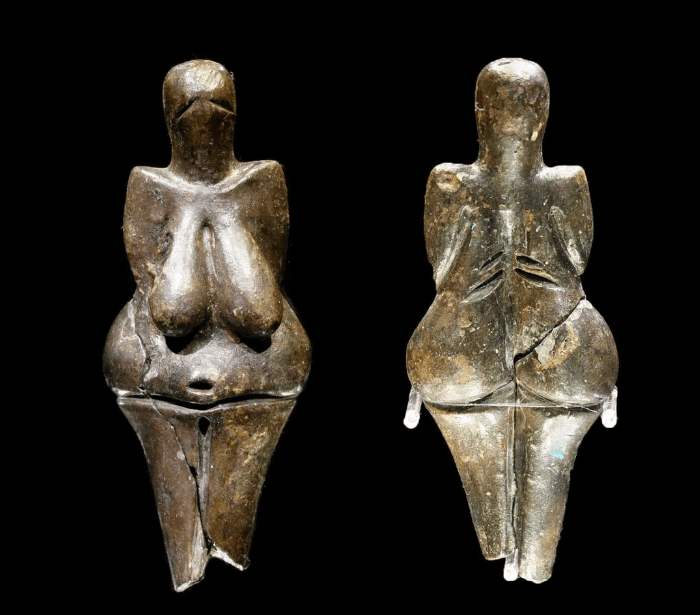
Evidence points to ceramic figurines appearing as far back as 29,000 BCE in the Gravettian culture of Central Europe, where the Venus of Dolní Věstonice stands as one of the oldest known examples. These early pieces served ceremonial roles rather than practical ones.
Functional pottery vessels followed millennia later. The oldest confirmed examples come from Xianrendong Cave in Jiangxi Province, China, dating to around 20,000–18,000 BCE. Similar finds surface in Japan by 16,000 BCE and along Russia’s Amur River by 14,000 BCE. Prehistoric foragers in East Asia turned these vessels into cooking pots during the last Ice Age, marking a shift toward settled innovation.

The Neolithic period
The Neolithic period accelerated ceramics’ global spread. Around 9,000 BCE, communities in the Middle East and Europe adopted clay for storage jars, water containers, bricks, and tiles.
Potters in Mesopotamia introduced the potter’s wheel between 6,000 and 4,000 BCE, which revolutionized production by allowing faster, more uniform shapes. Glazes arrived next. Artisans in Egypt applied them as early as 5,000–8,000 BCE to create shiny, waterproof surfaces. These techniques traveled along trade routes and adapted locally.
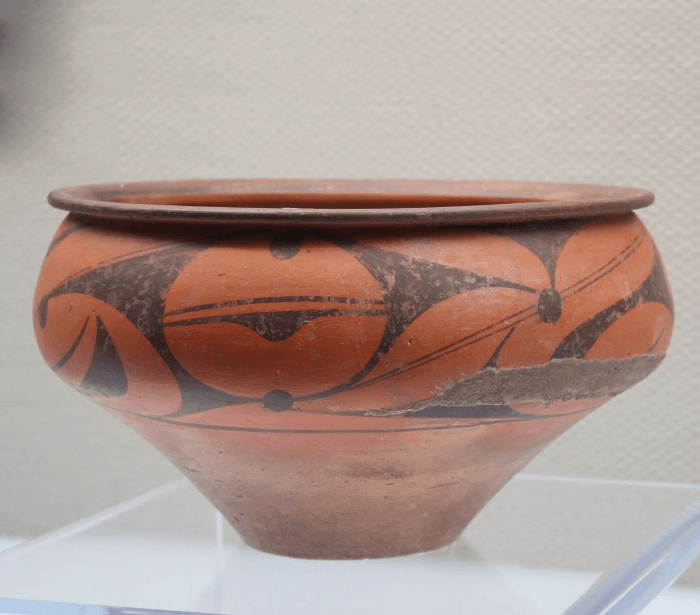
In China, continuous development from the Neolithic onward led to high-fired stoneware by the 13th century BCE. Kilns capable of reaching 1,000°C enabled stronger bodies and finer glazes. By the Han Dynasty (206 BCE–220 CE), potters in Zhejiang Province produced the first true porcelain, a translucent kaolin-based ware that defined Chinese ceramics for centuries.
Chinese Innovations
China played a crucial role in shaping the history of ceramic. Chinese mastery peaked in later dynasties. Song-era wares (960–1279 CE) emphasized subtle glazes and minimalist forms, with Ru, Guan, and Ding styles prized for their refinement. Yuan and Ming potters (1279–1644 CE) perfected underglaze blue decoration using cobalt, which fueled massive exports to Asia and the Islamic world. Jingdezhen emerged as the imperial center, where natural kaolin deposits supported large-scale production.
These innovations influenced global tastes. Potters exported blue-and-white pieces that Europeans later copied eagerly.
Other Centers
The history of ceramic or pottery is not confined to a few places; independent traditions developed everywhere. In the Americas, ceramics appeared without external influence. The earliest shards from Brazil’s Amazon Basin date to 7,500–5,000 years ago, with shell-tempered examples from Taperinha near Santarém. Pre-Columbian cultures refined the craft over centuries. Moche potters in northern Peru (100–700 CE) created realistic portrait vessels and stirrup-spout forms. Nazca artisans (200–600 CE) painted vibrant polychrome designs on arid-coast clays. Chimu and later Inca traditions added molded and pressed techniques. In North America, Pueblo peoples in the Southwest produced coiled and painted wares that evolved into historic styles still practiced today.
Islamic Era
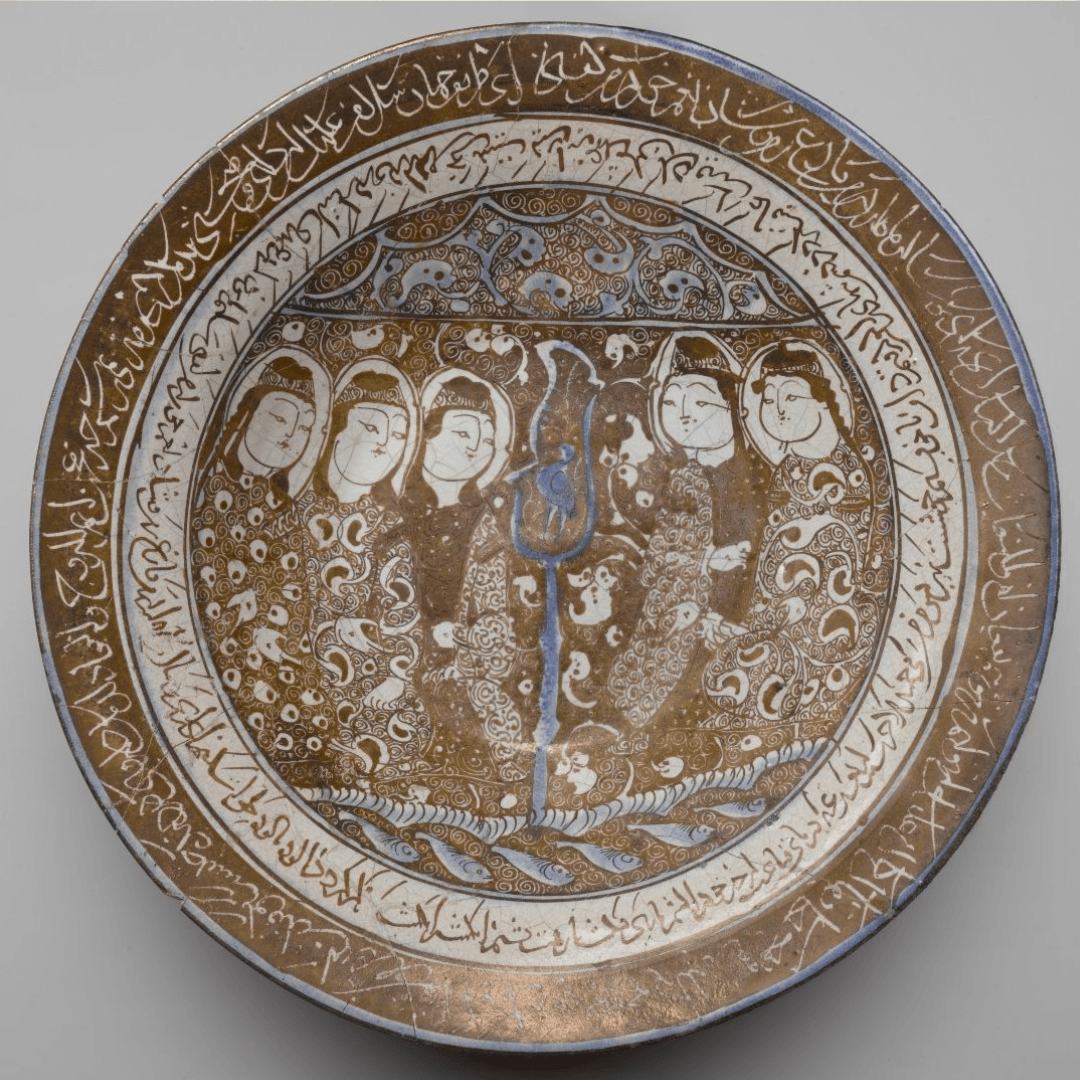
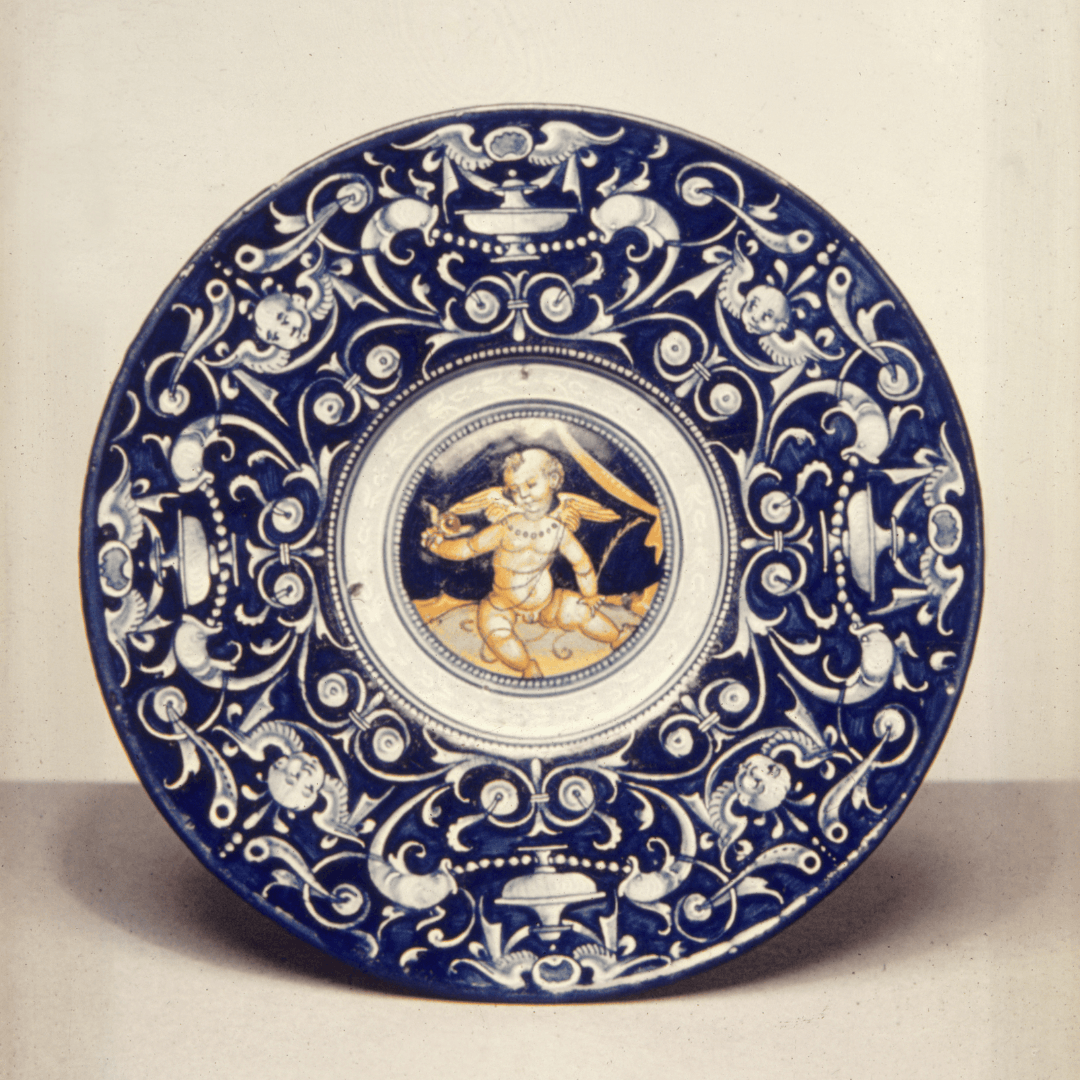
The Islamic world introduced key technical leaps that reshaped ceramics in Europe and beyond. From the 8th century onward, potters in Iraq, Iran, and Syria perfected tin-glazing for opaque white surfaces and lusterware for metallic iridescence. These shimmering effects evoked wonder and spread via trade and conquest. Muslim artisans carried the secrets to Spain during the Moorish period, where Hispano-Moresque lusterware flourished in Malaga and Manises. By the 13th century, the technique reached Italy. There, it became maiolica—tin-glazed earthenware that Renaissance workshops in Faenza, Urbino, and Deruta elevated into colorful narrative scenes and heraldic designs. European maiolica bridged medieval utility and artistic ambition.
-

- Bowl of Reflections, early 13th century Iran. Brooklyn Museum
-

- Faenza, Casa Pirota workshop, c. 1510–1530 (Walters Art Museum)
-

- Modern

Renaissance
Europe built on these foundations during the Renaissance and Enlightenment. Italian and Spanish centers dominated tin-glazed production until the 18th century. German alchemists at Meissen cracked the formula for hard-paste porcelain in 1709, ending China’s monopoly and sparking factories across the continent. French Sèvres and English Wedgwood followed with refined bone china and transfer printing. The Industrial Revolution mechanized output. Factories introduced molds, steam-powered wheels, and standardized glazes, turning ceramics into affordable household staples while preserving artistic traditions in studio pottery.
Modern Era
Twentieth-century advances extended ceramics into technical realms. Engineers developed high-strength insulators, synthetic refractories, and specialized bodies for electronics and aerospace. Yet the core appeal remains rooted in ancient versatility—vessels for daily life, tiles for architecture, and sculptures for expression. Global exchanges continue today. Contemporary artists draw from prehistoric coils, Islamic luster, Chinese translucency, and Indigenous motifs to blend heritage with modern function. Ceramics endure as both a practical material and a cultural bridge across continents and eras.